Who and What are we talking about?
Children are inundated with so much media every day. With the shows they watch, the ads on those shows, the toys and advertisements around the store, the music they listen to, the games they play, and so many more, children are shown different media geared towards them from the moment they wake. This media has a heavy influence on who children want to be, and who they think they are capable of being. Gender roles in children’s media has been a touchy topic with one side saying that we aren’t giving a broad enough idea to children of what gender can look like, and another saying we must keep gender to a strict binary. This topic has been covered in the media by both sides of the political aisle.
Where do we see gender stereotypes in media?
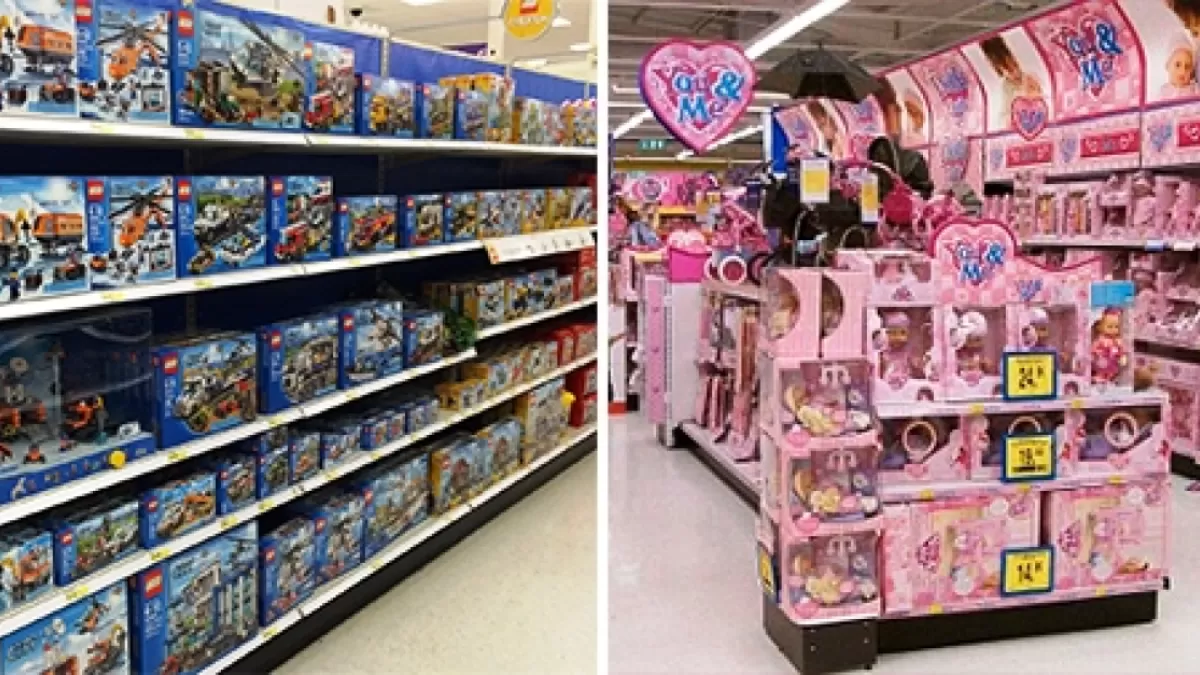
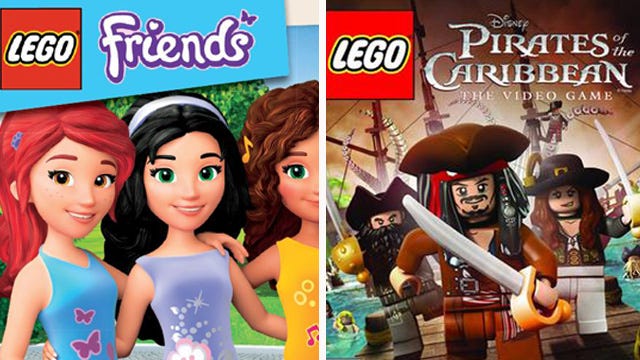
The short answer is everywhere. We see it in comic books, video games, movies, shows, the list could go on forever. One famous way we see it is through the tactile form of children’s media, toys. The pink aisle is a phenomenon where girl’s aisles are covered in pink toys. This includes pink versions of boy’s toys like pink nerf guns and legos. In the marketing for these “girl toys” the girls are usually more happy looking and playful versus the boy’s tough macho marketing.


How does this affect children’s perception and development of gender?
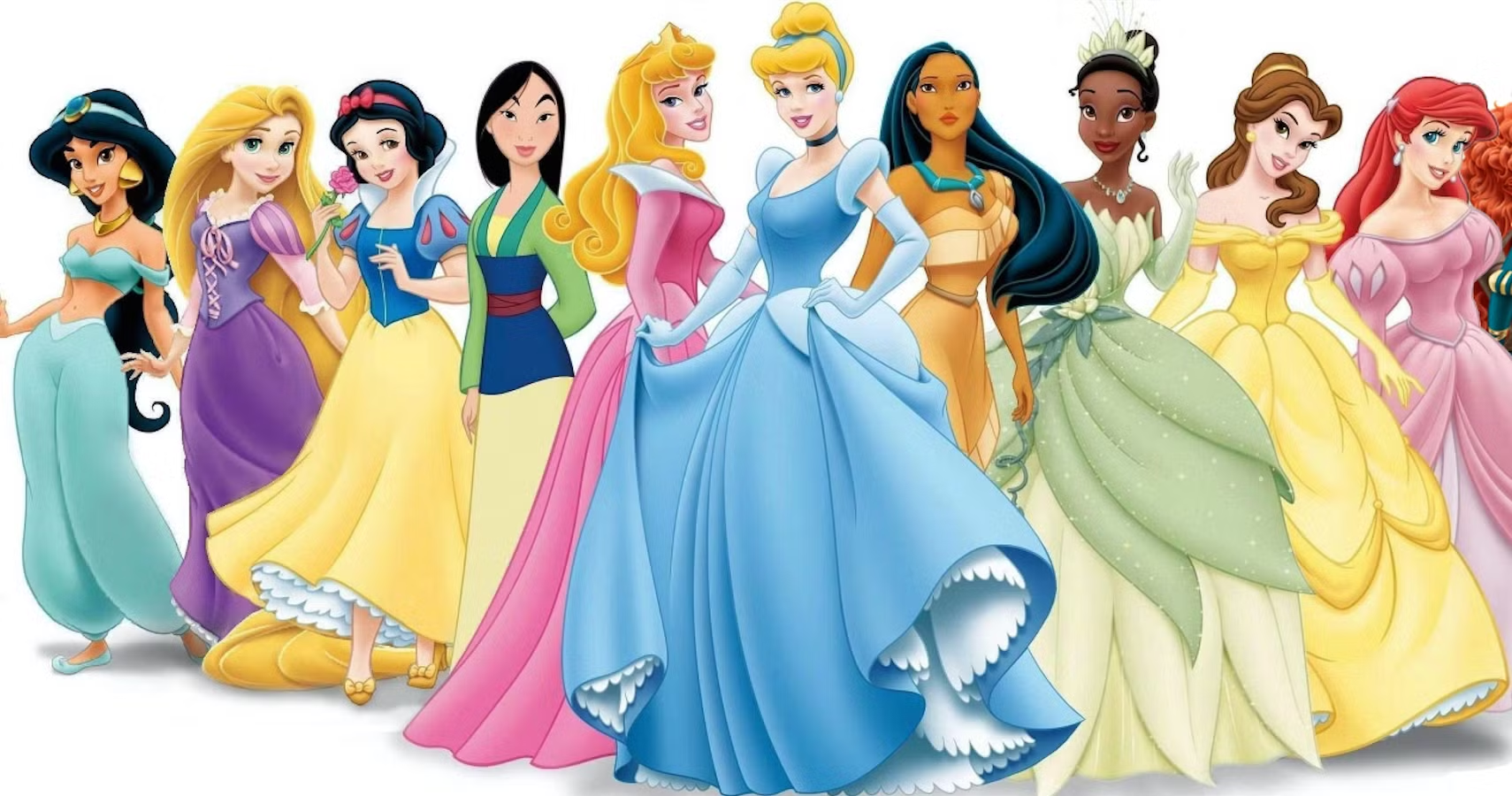
This kind of marketing can give children the idea that there is only one way to be. According to Media and the Development of Gender Role Stereotypes “frequent exposure to television’s gender stereotypes is believed to activate stereotypical gender schemas, which may influence subsequent judgments and behaviors” (L. Monique Ward and Petal Grower, 2020, p. 5). This means that when we are constantly sending children messaging to behave one way, they will start to build unconscious brain pathways that tell them how its appropriate to be and act. When we tell children that girls are princesses and boys are superheroes, we teach children that people must adhere to a strict binary. Please watch Secrets of Children’s Media attached to the side.
Why does this matter?
It is well known that children are little sponges that absorb everything around them. This means that when something is told to them either consciously or unconsciously children take it in as fact. This is especially true with something as prevalent as media. Taking the time to think about what messages are being sent lets us find ways to course correct the messaging or take the time to ask kids how they feel about the ideals being promoted all around them. Please take some time to see how kids feel about the gender stereotypes all around them.

Pink Aisle Photo courtesy of Target Is Right on Target About the Use of Gender Labels | Psychology Today Singapore
Lego Photo courtesy of Gender and Children’s Advertising | by Anna Frenkel | Medium
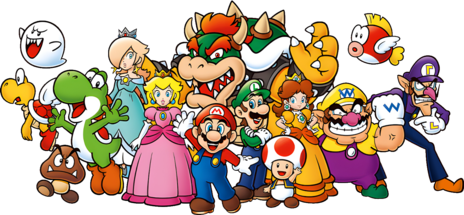
Mario Photo courtesy of List of Mario franchise characters – Wikipedia
Nerf Photo courtesy of Why Is Marketing For Nerf Guns So Different For Girls Than Boys? | The Odyssey Online
Princess Photo courtesy of. 10 Disney Princesses Reimagined As Superheroes
Marvel Photo courtesy of DC Versus Marvel Omnibus by Dennis O’Neil, Dan Jurgens, Chris Claremont, Various: 9781779523259 | PenguinRandomHouse.com: Books