More Thoughts
The Bumbling Dad trope is another trope we see often in children’s media. This is the idea that dad is an idiot and needs mom to do everything for him. Thankfully within new children’s shows this trope is starting to be replaced with a still playful but more competent father character like the father Bandit from the children’s show Bluey.
Mass Media on Movies and Shows
The Smurfette principle is the idea that in much of kids television there is a multitude of boy characters with one token girl, for example Smurfette. This has been talked about by a multitude of people but the video I have attached here is a popular video on youtube with 240,000 views. The video is well spoken and has been well watched but the concept has reached well beyond. The New York Times coined the term in an article in 1991 titled Hers; The Smurfette Principle. The idea that women are underrepresented in the media isn’t new and this permeates gender stereotypes telling children that women shouldn’t play a starring role and should be background characters even in real life. I think the articles like Hers and videos like the one on youtube are invaluable sources for parents trying to teach children that girls should and can be main characters.
Mass Media on Toys and Advertising
While toys are a non traditional tactile form of media, the advertising for it is as common a form of media as they come. You may have heard the term The Pink Aisle coined by Debbie Sterling who was noticing the difference between how girls toy aisles were mostly pink and including homemaking toys, versus boys toy aisles which were promoting stem and building. She pointed out how this is a problem as children take in the messaging all around them to decide who they are and what they are capable of. Putting words to this phenomenon did a lot of good for parents and others wanting to voice their concerns on what messages were being permeated towards kids through their toys.
Advertising for children’s toys has been under fire in the UK with the UK even banning certain gender stereotypes in the media. This is because the ideals permeated through the messaging can be harmful to children’s development of gender. I think this move supports healthier development for children and it is great to see a country taking steps to remove harmful stereotypes from effecting children. Many studies have been done on how advertising effects kids even just seeing how children react to a room of opposite gender toys. This is a growing field of research and I hope the reaction of the UK is followed by other countries.
Mass Media on Video Games
Video games are constantly under fire. From people saying they promote violence to parents complaining about how much screen time their kids absorb video games can be a controversial topic. When it comes to gender representation it can be especially tricky. Princess peach is one of the most famous representations of women in video game history but she historically has only played a damsel in distress. The video I found on princess peach talks about how this has changed in recent years. After a PR nightmare where Peach was almost forced to marry bowser in game sparking outrage from parents Nintendo decided to do a big rewrite in Peach’s character making her a more independent prominent character. This type of redefine in female characters definitely seems to be a trend according to Science direct. This re-imagination of female characters is an important show of how important consumer outcry can be, and the societal changes that can come out of it.
Mass Media on Comic Books
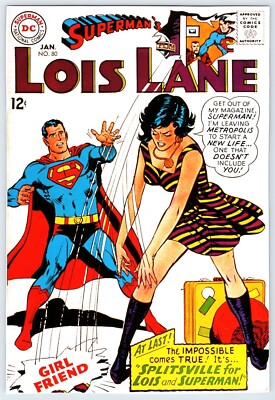
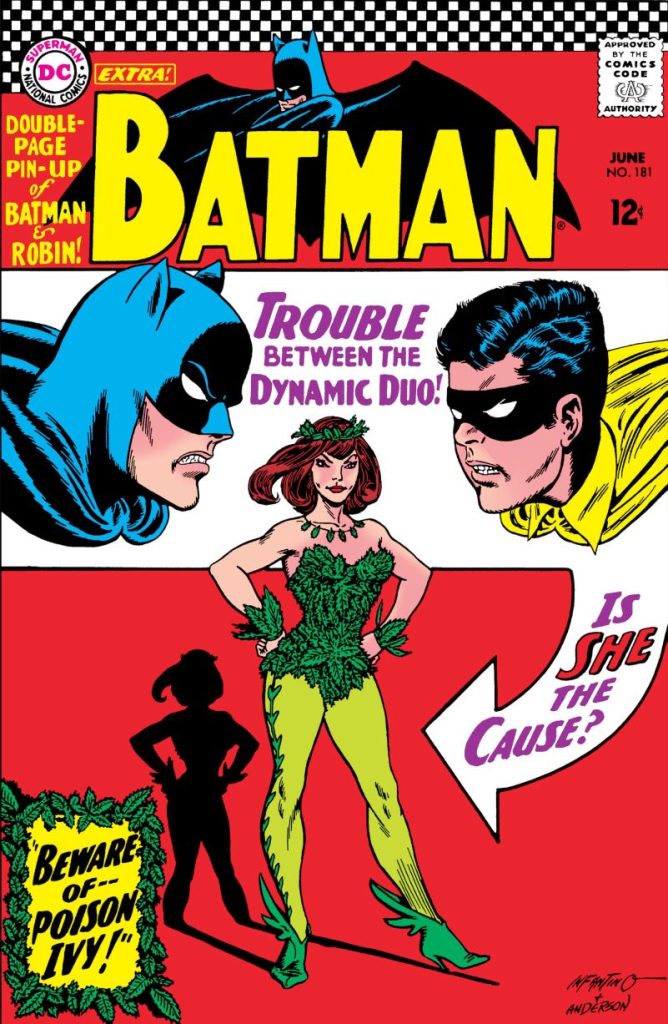
You can’t talk about comic books and gender without talking about the “Comics Code Authority” The comics code authority was a way to regulate what messaging was being put into comic books that the public, including children, were consuming. While it was a voluntary program news stands would not risk putting out anything that went against the comic code. This code kept strong female characters, LGBTQIA characters, and all other characters that didn’t fit stereotypical gender roles out of comic books until 1989. This meant that the comic book media being seen and consumed by children only allowed strict gender binary’s and led to some interesting media pictured here. (read some of these old comics by clicking here). Thankfully we now are able to use comic books as a media to portray a vast amount of gendered characters and female/male characters that don’t only fit in a strict gender binary.
CLICK HERE TO SEE EXAMPLE COMICS
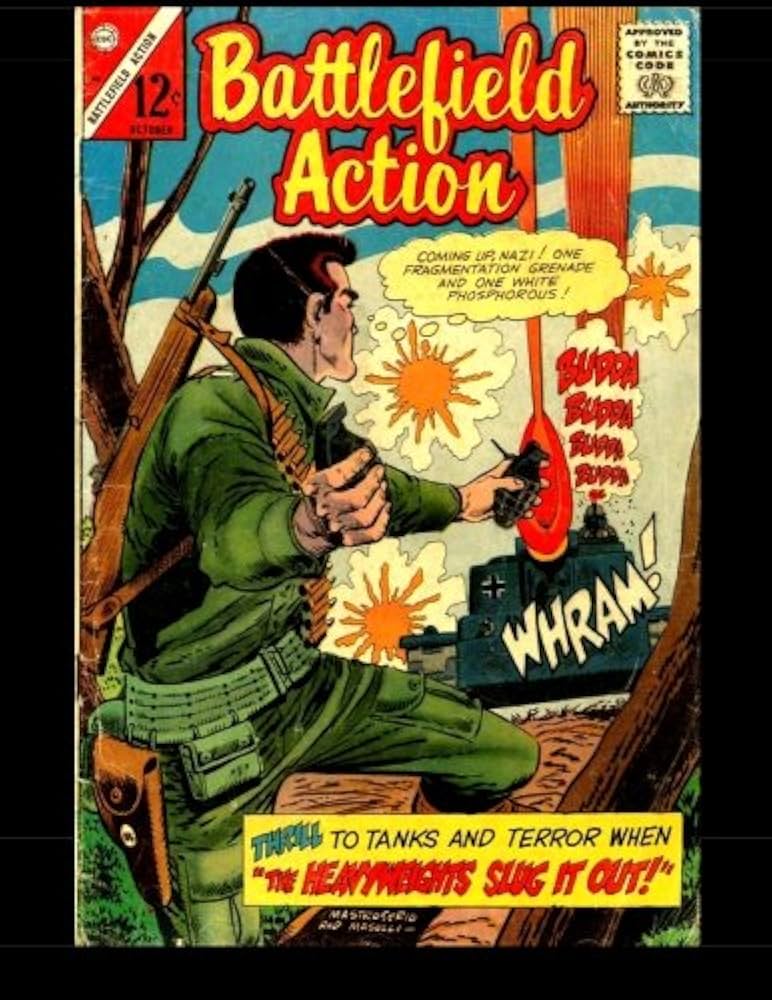
Picture of Battlefield action comic book courtesy of: Battlefield Action #60: 1960’s War Comic: Therrian, Kari A, Group, Charlton Comics: 9781508783480: Amazon.com: Books
Picture of Batman comic book courtesy of: Where was DC in the 1960s? • Comic Book Daily
Picture of Superman comic book courtesy of: LOIS LANE #80 COVER 1960’s Mod Girl 6.5″X10″ Book Page Clipping DC M605 | eBay